
The Cycle Monica 2 Named (And How to Actually Break It)
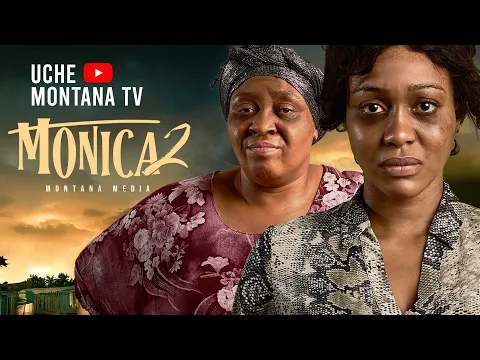
Monica 2 named the generational pattern millions of daughters recognise.
Samora & Trish
7/8/20262 min read


The Cycle Monica 2 Named (And How to Actually Break It)
There's a moment in Monica 2 that audiences can't stop talking about — not the loud scenes, not the confrontations, but a quieter realisation that creeps in as the story unfolds: the way a mother treats her firstborn daughter often isn't cruelty. It's an inheritance. She's simply passing down the exact weight that was once placed on her.
That single idea has sat with viewers longer than almost anything else in the film. Because once you see it, you can't unsee it, in the movie, and often, in your own family.
We want to talk about what happens after you see it.
Naming It Is Not the Same as Healing It
Kemi recognised the pattern before she had language for it. She was twenty-six, sitting across from her mother at a birthday dinner, when her mother said, almost offhand, "I never had this. I had to do it all myself." And Kemi realised, with a kind of quiet vertigo, that her mother wasn't defending her own hardness. She was explaining it. Handing Kemi a debt she never agreed to inherit.
For a long time, Kemi thought understanding why her mother was the way she was would be enough to make peace with it. It wasn't. Insight without action just becomes a very sophisticated way of staying stuck. You can know exactly where the wound came from and still keep bleeding from it every single day.
What actually started to shift things wasn't a single conversation or a dramatic confrontation. It was learning to separate two things she'd always tangled together: honouring her mother and repeating her mother's pain.
Three Things That Had to Change
She stopped auditioning for love she already had. Kemi realised she'd spent years trying to earn a security that should have simply existed. Faith helped her see the difference; she wasn't unworthy of rest; she'd just never been shown what rest looked like.
She learned to set boundaries without narrating them as betrayal. Saying no to being everyone's emotional and financial safety net didn't make her a bad daughter. It made her a different kind of daughter — one who could still show up, without disappearing to do it.
She stopped waiting for her mother to apologise before she allowed herself to heal. That was the hardest one. Healing that depends on someone else's readiness is healing you'll be waiting for forever.
What Gets Passed Down From Here
Here's what nobody tells you about generational patterns: they don't break because you're angry enough about them. They break because someone, somewhere in the line, gets equipped enough, spiritually, relationally, practically, to carry something different forward.
That's not self-help language. That's stewardship. It's the same principle whether you're talking about family patterns, relationships, or how you show up in the world publicly: you were never meant to simply repeat what was handed to you. You were meant to refine it.
If Monica 2 held up a mirror you weren't expecting, that's not something to scroll past. That's an invitation to actually do something with what you saw.
Monica Part 2
What is your Take on this
Samora & Trish
Refined influence. Uncompromised faith.
Home-Services-About-Contact
© 2026 Samora & Trish-Refined influence built on divine alignment.
STEWARDSHIP — CREATIVE RIGOR — FAITH